A Return-to-Routine Week After Time Away
Plan a return-to-routine week after time away with simple session choices, a worked example and clear ways to decide what feels manageable.
How do you plan a return-to-routine week after time away without turning it into a trial of your old fitness? Start with one familiar activity and decide what would make it worthwhile even if you leave early. The first week is for rebuilding a place for movement in your days, not proving what you can do.
Your reason for returning matters. A packed work diary, a change of season and recovery from illness call for different plans. If you are returning after an injury or illness, or still have symptoms, ask a qualified health professional what activity is suitable before you begin.
Choose a return-to-routine week around one clear aim
Give the week an aim you can recognise without relying on pace, distance or weight. It might be getting your swimming bag ready, attending part of a club practice or taking a walk after dinner. A simple aim helps you decide what belongs in the week and what can wait.
Then choose the format that suits your circumstances:
- Short visits: Choose these if a full session feels daunting or your diary has small gaps. A relaxed walk or gentle spin lets you practise starting without committing to a long outing.
- A familiar appointment: Choose a class, court booking or club practice if the setting helps you turn up. Check that you can adapt the session or leave early if needed.
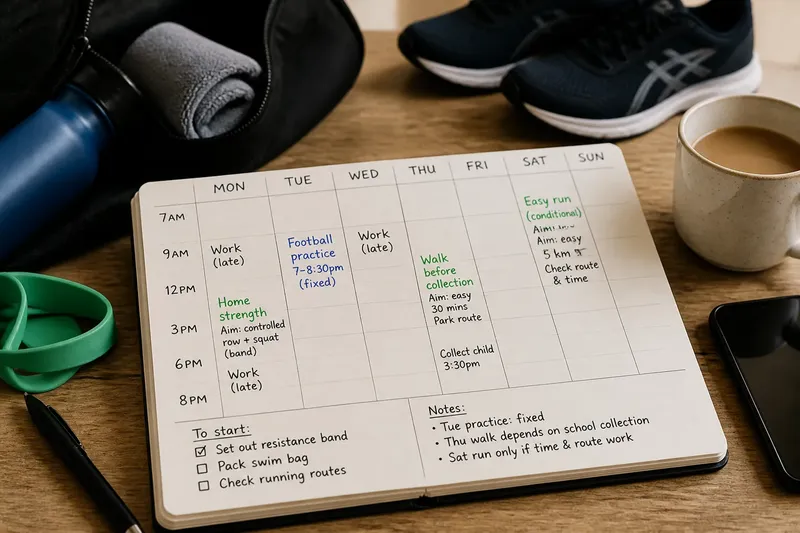
- Open activity windows: Choose a few possible times rather than fixed sessions if work or caring duties may change your plans. Decide on the day whether movement or rest fits better.
For each option, consider the actual obstacle it solves. If the main barrier is getting out of the house, a booked swim may help; if the barrier is an unpredictable diary, an open window may be less frustrating. Pick one format for the week instead of trying to fit all three into your return.
Make the first session easy to begin and easy to leave
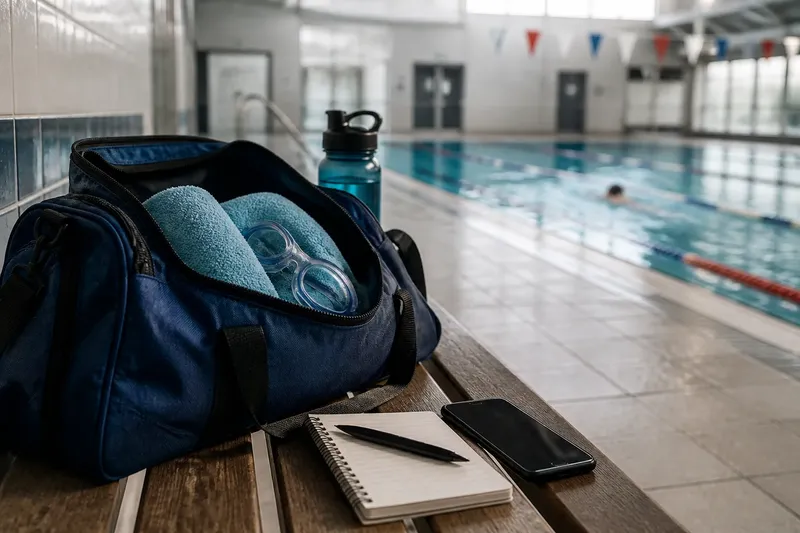
Choose the route, venue and equipment before the day. Put walking shoes by the door, pack your swim kit the night before or check that the community hall is open for your class. These small preparations remove decisions at the moment you are trying to get started.
Also decide what an early finish would look like. You might complete the warm-up and two gentle drills, then head home. Or you might walk to the end of the park path and turn back. Having an exit plan makes it easier to attend without treating the full session as compulsory.
Say you used to swim after work, but your current evenings are unpredictable. Imagine choosing Tuesday as a possible visit, packing goggles and a towel beforehand, and deciding at the pool to swim gently for as long as feels comfortable. If a late meeting runs over, you skip that visit rather than shifting it into a crowded evening; if you do go, the observable result is that the familiar routine has resumed without making the rest of the night feel rushed.
Make the first outing small enough that the act of arriving is part of the success.
Use familiar structure without accepting the old demands
A club, class or regular court can make the return feel less like starting from scratch. The people, equipment and surroundings are known, so you can focus on participating. Tell a coach or training partner that you are easing back in, and ask which parts of the session are easiest to adapt.
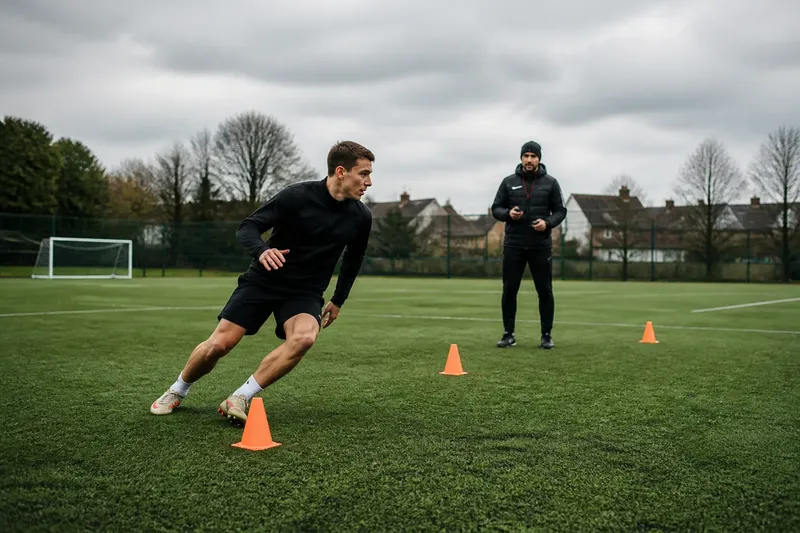
For example, at a recreational football practice you could join the passing drills and sit out a demanding game. At a dance class, you could take a break during a fast section. If the group treats every session as an effort test and cannot accommodate a quieter return, choose a different activity for this week.
Before attending, check the session plan, how you can scale your participation and whether leaving early is practical. If those choices are available, the appointment may provide useful structure; if they are not, a short solo activity gives you more control.
Use a simple decision list to shape the week
Before scheduling anything, check these concrete points. Each answer should lead to a clear choice, not another obligation.
- Check whether illness, injury or lingering symptoms are part of your return. If they are, ask a qualified health professional before exercising; if not, choose a familiar, comfortable activity.
- Check your calendar for a genuinely open slot. If one exists, place a short activity there; if not, leave the week unscheduled rather than squeezing movement into an already crowded day.
- Check whether the venue or group lets you adjust effort or leave early. If it does, consider attending; if it does not, choose a more adaptable activity.
- Check what equipment you need, such as shoes, a water bottle or a swim kit. If it is ready, keep the plan; if something essential is missing, choose an activity that needs what you already have.
- Check how you felt after the last activity, including whether you were unusually drained. If you felt comfortable, keep a similar option; if you felt depleted, make the next outing gentler or choose rest.
- Check whether a planned session is creating pressure rather than helping you return. If it feels supportive, keep it; if it feels like a test, remove it and choose a lower-pressure alternative.
Which return-to-routine week suits your situation?
How do I choose between short visits and a familiar session?
Choose short visits if the main challenge is starting or your schedule has brief openings. Choose a familiar session if its people and structure make attendance easier and you can adapt your participation.
Should I resume my old exercise routine straight away?
Use the old routine to remember activities you like, not as a target you must match. Choose an easy version that fits your present schedule and feels comfortable while you do it.
What should I do if I miss a planned activity?
Let the missed slot go rather than trying to squeeze it into another day. Keep any later opening optional, and choose rest if the week is already full.
When should I seek advice before returning to exercise?
If you are returning after an injury or illness, still have symptoms, or activity brings pain, dizziness or unusual breathlessness, stop and seek appropriate medical advice. A qualified health professional can help you decide what is safe for your situation.
Set a useful definition of success for this first week
A return-to-routine week works better when success is something you can observe: getting your kit ready, arriving at the pool or leaving a session with enough energy for the evening. These are signs that the routine has found a workable foothold, even if the week contains fewer activities than you once planned.
Keep a brief note on your phone or calendar after each outing: what you did, what felt comfortable and what made attendance harder. Use those notes to choose a different format next time, such as swapping a fixed class for a walk near home. The useful question is not whether you have earned your old schedule back, but which version of exercise fits the life you have now.